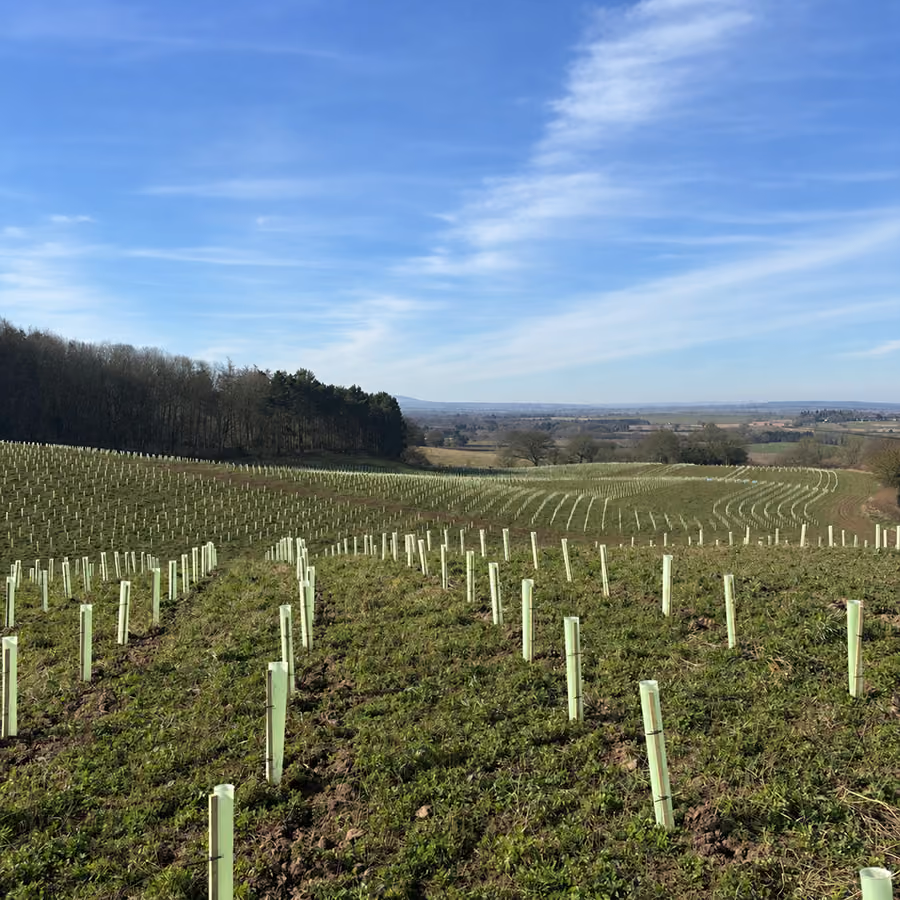
Restocking & Woodland Maintenance
Species Selection & Woodland Establishment
Our teams can manage plant procurement and handling, ground preparation, drainage, access, fencing, guards and planting. The programme is built around the planting season and the realities of the site, with clear checks on plant storage, planting quality and completed stocking.
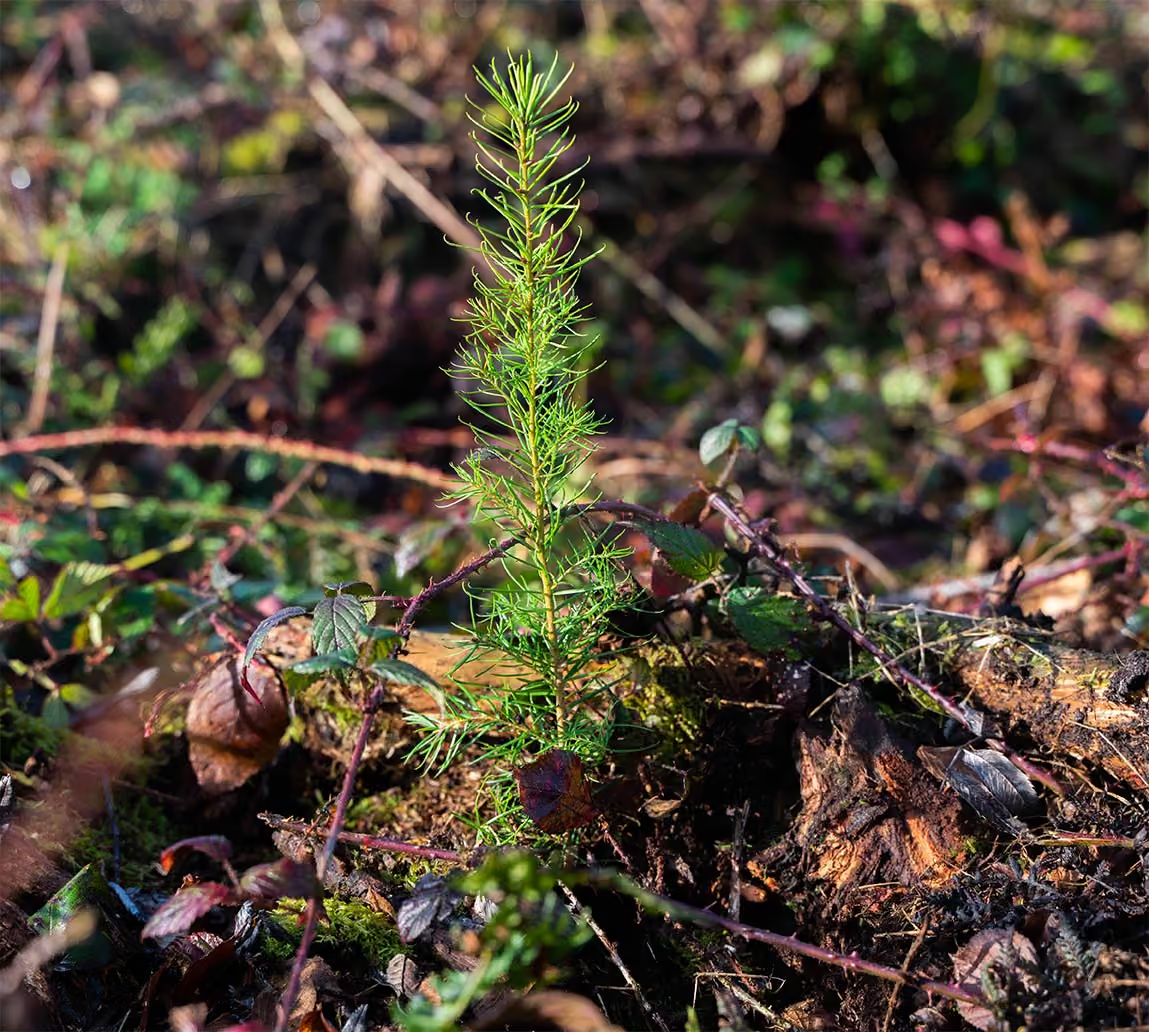
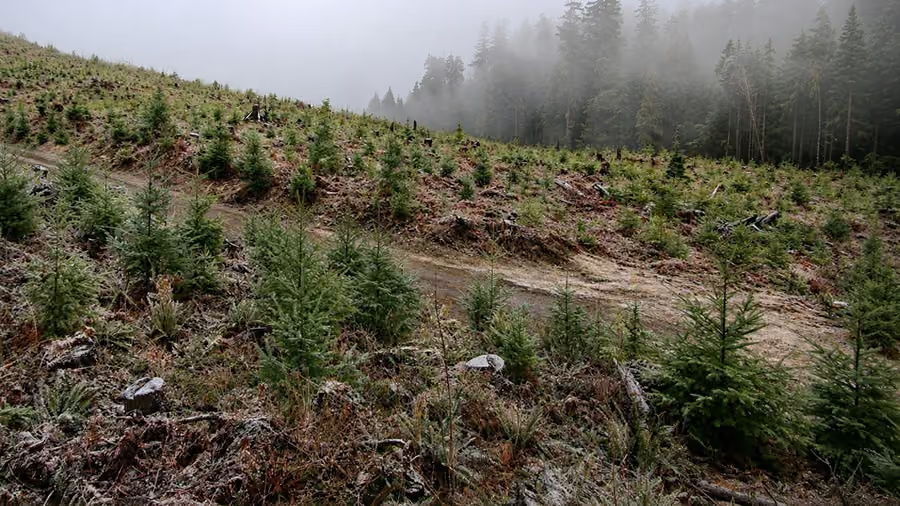
Our Services Include:
- Restocking design, species selection and specifications
- Plant supply, provenance checks and logistics
- Ground preparation, drainage and access
- Tree planting for small or landscape-scale programmes
- Fencing, guards and alternative protection methods
- Vegetation and weed management
- Pest and browsing monitoring and control
- Survival assessments and establishment reporting
- Beat-up and replacement planting
- Ongoing young woodland maintenance
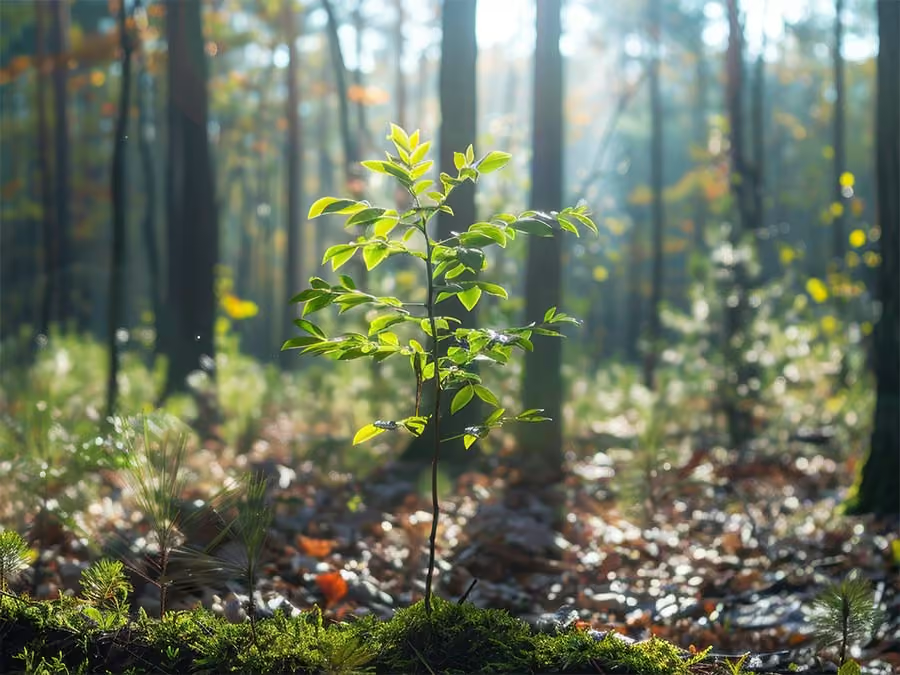
Restocking & Woodland Maintenance
Frequently Asked Questions
Why is woodland restocking important?
Restocking establishes the next crop or woodland structure after felling, damage or failure. It maintains woodland cover, supports future timber or habitat objectives and helps meet any conditions attached to the felling permission or funding agreement.
How soon after harvesting should restocking begin?
The licence or grant agreement may set a deadline. The practical start date will also depend on site preparation, plant supply and the planting season. We review the conditions early so design and procurement are not left until the last minute.
Which species should be used for restocking?
That depends on the site, climate, pests, previous crop performance and the owner’s objectives. We assess suitable species and provenances and consider diversity, resilience, timber markets and biodiversity within the design.
Are tree guards or deer fencing better?
Neither is automatically better. The choice depends on deer and livestock pressure, species, site scale, landscape, maintenance and cost. We compare the options for the site and include the future inspection, repair and removal requirements.
How long does a restocked woodland need maintenance?
Maintenance continues until the trees are growing reliably above competing vegetation and the main protection risks are under control. The period varies by site and species, so survival surveys and inspections should guide the work rather than a fixed end date.
What happens if planted trees fail?
We first look at the pattern and likely cause, which may include drought, waterlogging, plant quality, poor planting, weeds, pests or browsing. Beat-up replaces failures, but the underlying problem should be corrected first or the replacement trees may fail as well.

Let's Talk!
Email Us
Call Us


