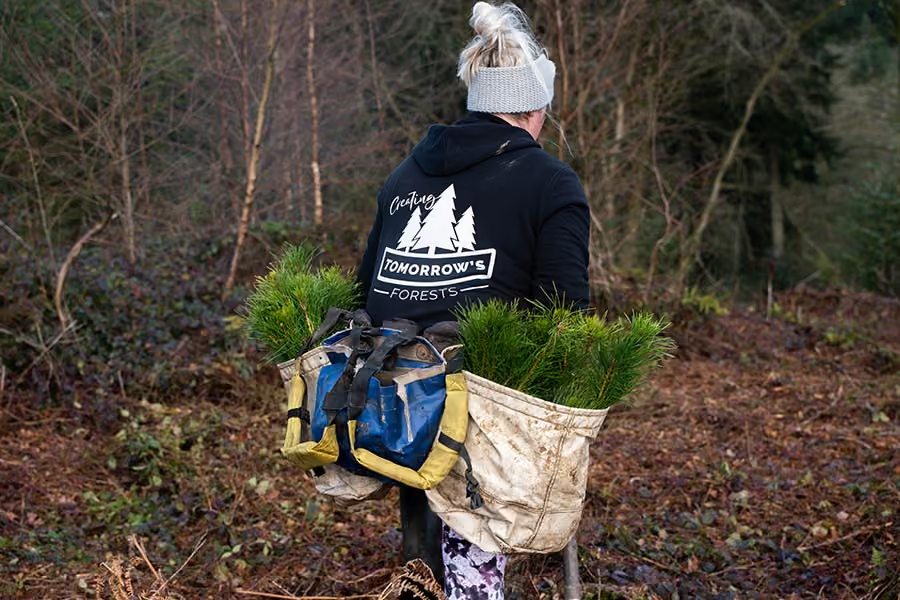
Woodland Creation & Establishment
From Site Analysis to Consented Scheme
The design is then developed in line with the current UK Forestry Standard and the rules that apply to the project location. We can prepare grant applications, coordinate forestry environmental impact assessment screening or consent where required, support stakeholder consultation and address any proposed carbon funding from an early stage.
Planting Is Just the Start
Our Services Include:
- Site assessment, land-use review and feasibility
- Woodland design, species choice and provenance planning
- GIS mapping and environmental constraint assessment
- Grant, funding and carbon opportunity assessment
- Applications, consultations and consent coordination
- Planting plans, specifications, budgets and programmes
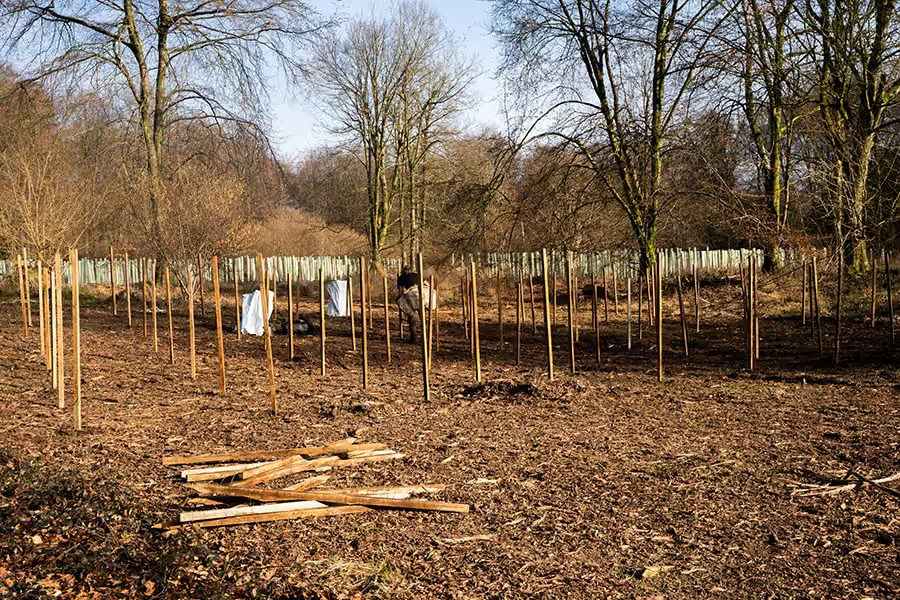
- Ground preparation, fencing, access and site infrastructure
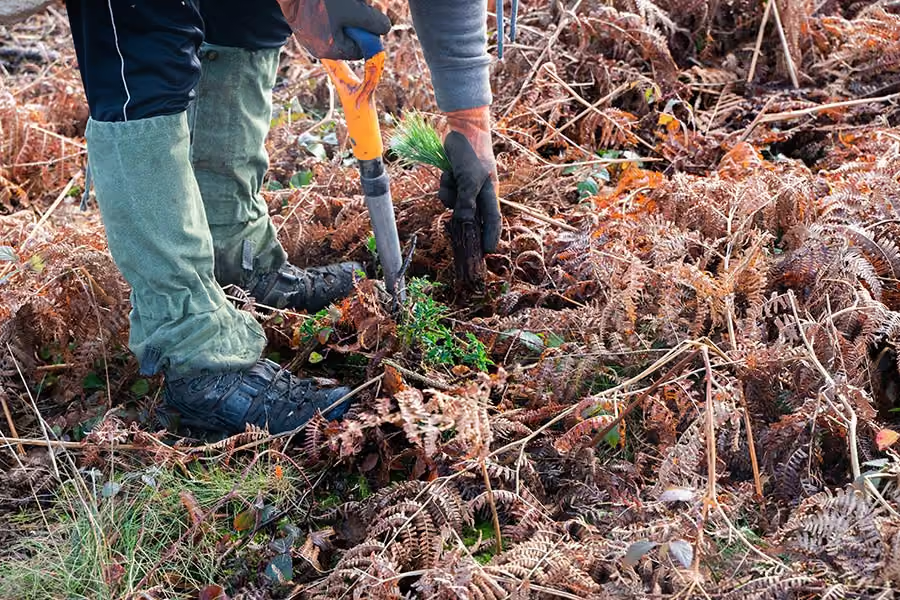
- Plant supply, handling, planting and tree protection
- Vegetation management, beat-up and pest control
- Establishment monitoring, maintenance and reporting
Woodland Creation & Establishment
Frequently Asked Questions
Is my land suitable for woodland creation?
That depends on the soils, drainage, slope, exposure, habitats, protected features, landscape, access and current land use. A feasibility assessment identifies the main constraints before significant time or money is committed to design and applications.
What woodland creation grants are available?
Support may be available for design, planting, protection, maintenance and particular public benefits. Schemes, eligibility and payment rates differ across the UK and change over time, so we check the current offer for the land and the proposed woodland.
Will the project need environmental assessment or consent?
Some proposals require forestry environmental impact assessment screening or consent, and other permissions or designations may also apply. We review the site and proposal against the current requirements and prepare the necessary maps, evidence and consultation material.
How long does it take to create a new woodland?
The programme depends on surveys, design complexity, grants, consultation, consent, plant availability and the planting season. Starting early gives enough time to resolve constraints and procure the right plants and contractors instead of rushing decisions before winter.
How are tree species selected?
Species and provenance are matched to the soils, climate, exposure, pests and woodland objectives. We also consider resilience, structural diversity, future markets and habitat value rather than relying on a standard species list.
Can a woodland creation project include carbon funding?
Potentially. The land and design must meet the relevant standard and additionality rules. Carbon should be considered early because it can influence the woodland design, evidence, agreements and the owner’s long-term obligations.
What maintenance is needed after planting?
New trees normally need several years of care. This may include vegetation control, pest and browsing management, guard or fence inspections, replacement planting and survival monitoring. We plan this from the outset rather than treating planting day as the finish line.

Let's Talk!
Email Us
Call Us


